
By Laura Pratt 12/01/2024
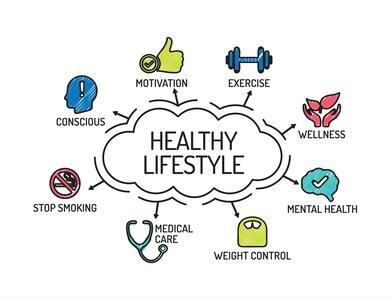
What is good for your heart is good for your brain so making sure that you have a balanced, healthy diet and regular exercise will not only help to keep your heart healthy but will also help to keep your brain healthy
Can Dementia Be Prevented?
Currently there is no cure for dementia but there is evidence that we can reduce our risks of developing dementia.
The ongoing developments in neuroscience has increased understanding of how the brain works and the believe now is that the brain is plastic, and it does continue to change, and it can benefit from lifestyles changes.
The difference between Disease and Dementia
There are two distinct events in the development of dementia
- The development of the disease in the brain
- The onset of cognitive impairment such as cognitive symptoms like memory loss, confusion etc.
There is not a direct relationship between the level of damage in the person’s brain and their cognitive function. For example, some people can have a large presence of Alzheimer’s Disease yet they are still functioning normally. Other people may have much smaller levels of damage yet they have difficulty managing their day-to-day functions.
Cognitive Reserve
It is not clear why some people seem more susceptible to the effects of dementia but one of the factors may be what is referred to as Cognitive Reserve.
Cognitive Reserve seems to be built up from a lifetime of cognitive exposure which means that if you live a life that is more cognitively engaged and you are more involved in complex learning activities, then on average, you will lower the risk of dementia in later life.
What is believed to happen is when the brain is exposed to prolonged engagement in challenging cognitive stimulation, this induces changes to the structure and function of the brain, to make it more resilient and more flexible.
Cognitive reserve can be increased by challenging yourself with new learning on a regular basis whether that is learning a new language, reading or engaging in challenging and stimulating leisure activities. It is never too late to start challenging yourself with new learning and reduce the risk.
Risk Factors
| Genetics The vast majority of cases of dementia are not caused by inherited genetic mutations. Dementia is so common that having several close relatives with dementia is not evidence of a genetic link In rare genetic forms of dementia, the mutation can be inherited and the onset is usually at a younger age, in the 40s or 50s. Lifestyle choices can influence our risk of dementia just as much as genetics and while it may not eliminate the risk it can reduce the risk from high to low. |
| Education Studies have indicated that education has a protective effect in the development of dementia symptoms during life. Education does not alter the amount of disease in the brain but may build later-life resistance to the effects of conditions such as Alzheimer’s disease. There is no time-limit on the benefit of education so it is never too late to engage in education. |
| Social Engagement Population-based research indicates that people who are more socially active have a reduced risk of dementia, while people who are socially isolated have an increased risk. Social activity requires multiple cognitive functions such as planning and memory and might influence dementia risk. Social withdrawal may be an early symptom of an undetected condition. As people age and leave the workplace their social engagements may reduce so it is important to plan for retirement and start new hobbies or join new interest groups. The best activities to reduce dementia risk combine cognitive activity, social activity and physical activity. A good example of this is dancing or tai chi, where you are doing physical exercise but learning new movements or steps in a social setting |
| Physical Activity Regular physical activity is associated with lower risk of cognitive decline and dementia. A combination of aerobic exercise and strength training is likely to most beneficial for cognitive health. Dual exercises such as combining a physical exercise with a cognitive element such as dancing or Tai Chi where you have to both move and remember steps have a very beneficial effect. It is recommended that exercise time should be at least 150 minutes week and should include a variety of activities. Aerobic exercise is recognised as the most beneficial to maintain cognitive health which means that it has to be a type of physical exercise where there is enough expenditure of energy to increase the heartbeat and intensify the breathing. For example, if walking, it needs to be faster than a gentle stroll. While gentle exercise such as yoga does not require intense physical effort and as such may not be considered as beneficial for cognitive health it does help to reduce stress and anxiety which can contribute to a reduction in blood pressure which in turn may reduce the risk of dementia. It is never too late to start exercising and see benefits, even in individuals with mild cognitive impairment or dementia |
| Stress Currently there is no evidence to suggest a direct link between stress and Dementia. Stress may have an indirect relationship to dementia risk due to the association between stress and increased blood pressure which in turns increases the risk of cardiovascular disease. Both blood pressure and cardiovascular disease are risks factors for developing dementia. |
| Depression Depression is considered a risk factor for dementia and it is important to diagnose and treat depression as quickly as possible as depression is one of the best treatable mental health conditions. Older people can suffer from depression and it should be treated regardless of the person’s age. Diabetes Many studies have confirmed that type 1 and type 2 diabetes both increase the risk of dementia. Type 2 diabetes is associated with a twofold increase in risk. Not everyone with diabetes will develop dementia, it simply increases the risk. It is possible to reduce the risk by controlling the diabetes |
| Smoking Research has shown that smoking in older adults increased their risk of dementia by 70%Smoking increases the risk of stroke, dementia, cancers and vascular disease. People who give up smoking have less cognitive decline. It is never too late to quit |